
The ‘extra’ levy that South African motorists are paying at the petrol pumps
South Africa’s ‘slate levy’ is effectively a self-adjusting mechanism that government uses to deal with daily differences in petrol prices, says the chief executive of the Fuel Retailers Association Reggie Sibiya.
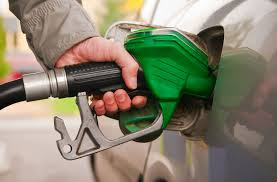
Staff Writer | Business Tech
The slate levy has come under scrutiny in recent months as motorists grapple with record-high petrol prices. Mid-month data from the Central Energy Fund (CEF) shows that another steep increase is due in November, which could lead to a further rise in the slate levy.
Under South Africa’s current energy system, the Basic Fuel Price (BFP) only changes once a month when the Minister of Energy announces the new petrol price, Sibiya told the SABC.
He noted that the ‘official’ BFP is currently sitting at around R8.27, which will remain in place until the price change at the end of the month. But the ‘real’ BFP changes every day, and tomorrow it could be R10, he said.
That means that somebody buying a barrel of fuel will be paying R2 more, Sibiya said. It can also work the other way where a buyer pays R2 less than the BFP.
Sibiya said that these daily changes are calculated at the end of the month by the Department of Energy, based on either the under-recovery or over-recovery, with additional cost or savings then passed onto motorists.

News Category
- International retailers
- On the move
- Awards and achievements
- Legislation
- Wine and liquor
- Africa
- Going green
- Supplier news
- Research tools
- Retailer trading results
- Supply chain
- Innovation and technology
- Economic factors
- Crime and security
- Store Openings
- Marketing and Promotions
- Social Responsibility
- Brand Press Office

Empowering South African households through gro...

SPAR shares practical tips to beat food inflation

South African motorists could be paying up to R...

Big VAT changes on the cards