
Woolworths pilots in-store reusable shopping bag collection
In the month of National Recycling Day and World Clean-up Day, Woolworths is expanding its reusable bag collection trial and introducing more recycling vending machines in selected stores.
| Woolworths
After running a successful reusable shopping bag collection trial at Woolies’ Palmyra store since May, the retailer has now introduced collection points at Hout Bay and Constantia stores with plans in place for a broader roll out.
“The objective of our reusable shopping bag initiative is to change consumption behaviour and to reduce our reliance on single-use plastic. We now have 240 single-use plastic shopping bag free stores, which has resulted in a substantial increase in the demand and use of reusable shopping bags. Consequently, it is critical for us to ensure that the broken or worn reusable bags are disposed of responsibly and given a new life. We have been working closely with a local recycler and our reusable bag manufacturer testing the recyclability of our black and coloured reusable shopping bags and were delighted when they confirmed that they can be recycled into black storage pallets. Pallets very similar to the ones that we use in transporting products within our closed loop supply chain,” confirms Latiefa Behardien Woolworths Foods Head of Foods Technology, Safety and Good Business Journey.
Woolies customers are encouraged via in-store communications to hand in their old, tired reusable shopping bags to the cashiers in these selected stores’ food markets who are collecting them in recycling bags at the tills. They are then transported through the same reverse logistics system, which uses return trips to transport recyclable store waste from stores to the Woolworths Distribution Centre where it is collected and sorted before moving onto recyclers.
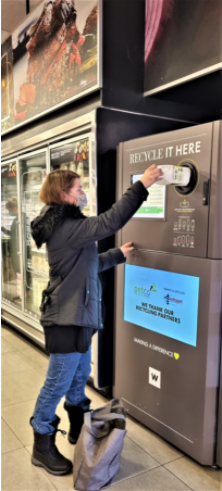
Another in-store recycling initiative which the retailer trialled in its head office before rolling out to Palmyra and St John’s Piazza Sea Point stores are Reverse Vending machines which accepts various used packaging according to its bar code and recyclability. Unfortunately, the subsequent Lockdowns have impacted the regular use of these reverse vending machines, but the retailer is confident that they will start to bounce back as normal recycling activities resume and they have introduced more machines in Hout Bay and Waterstone stores as well as expanding their footprint to stores upcountry in Hillcrest (KZN) and Bassonia (Gauteng).
“While recycling alone cannot solve the world’s pollution problems, it has significant potential to impact on cleaning up our waste systems, creating jobs and reducing the use of virgin plastics. Every step of the way helps to bring about a cleaner, safer country for all,” concludes Behardien.
Pic Captions:
The black storage pallet made from Woolworths’ reusable shopping bags.
Reverse vending machine located in Woolworths’ Hout Bay store’s foodmarket is making it easier for customers to dispose of their recyclable packaging and support the growth of recycling in South Africa.

News Category
- International retailers
- On the move
- Awards and achievements
- Legislation
- Wine and liquor
- Africa
- Going green
- Supplier news
- Research tools
- Retailer trading results
- Supply chain
- Innovation and technology
- Economic factors
- Crime and security
- Store Openings
- Marketing and Promotions
- Social Responsibility
- Brand Press Office

Pick n pay upcycles air-conditioning systems, s...

Shoprite Group opens pathways to job opportunit...

Pick n Pay empowers shoppers in the fight again...

Massmart implements early leak detection techno...
